

Foraging Is Freedom
Reclaiming Our Right to Eat Wild and Live Free

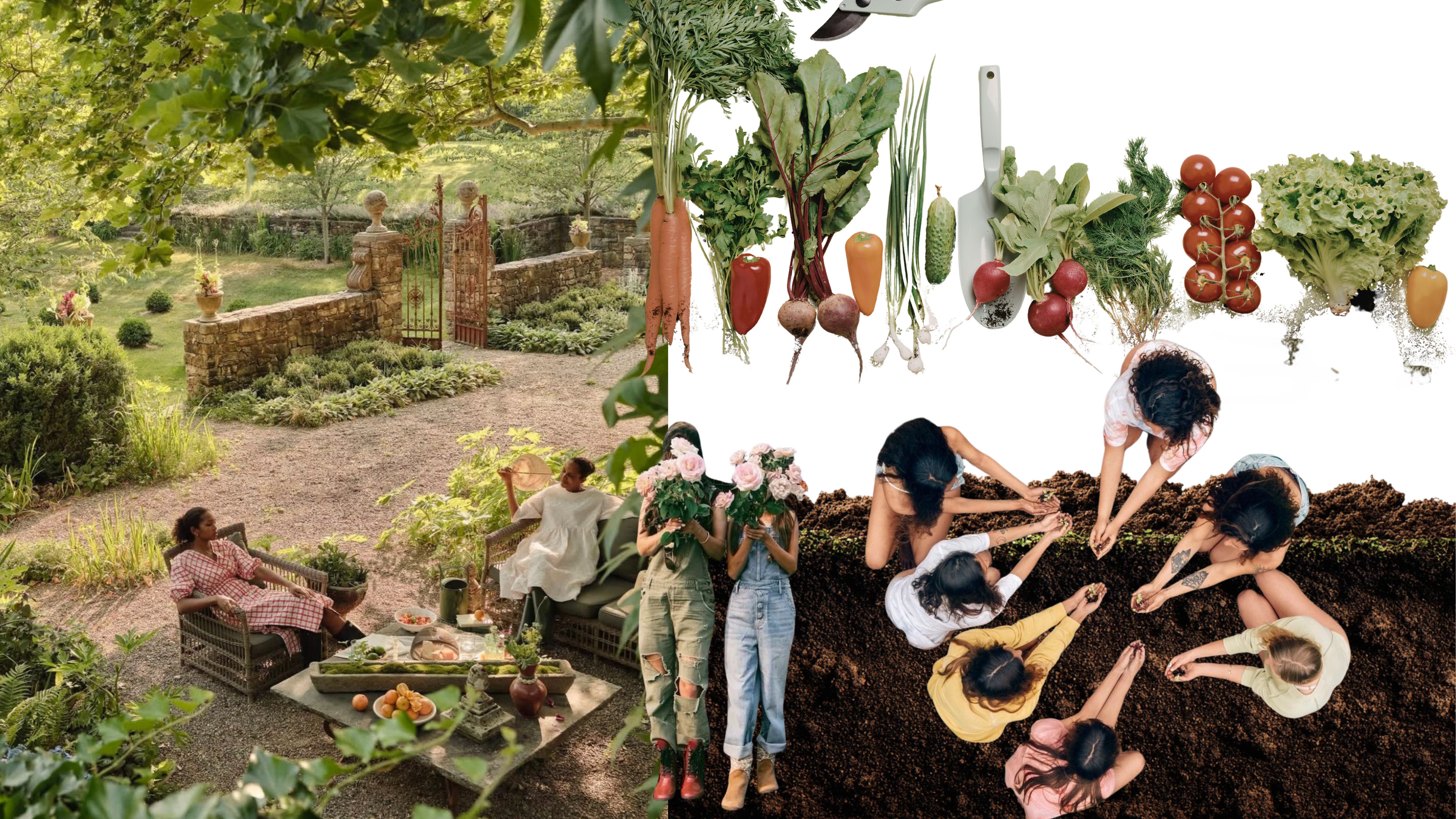
“Planting, for me, is a form of resistance. I bring life to Earth. They are taking away life, but I’m bringing it through.” – Medo al-Hamid, martyred at age 20 in Gaza while farming for his people
Across the world, our relationships with land and food have been, and are being criminalized because they are powerful.
In Gaza, where Israel’s siege has destroyed food systems, displaced families, and made grocery prices unaffordable, many Palestinians are turning to the land in the most fundamental way: foraging. They are gathering traditional plants such as hodesah and purslane, which have sustained them for generations, to feed their communities when the state has tried to starve them. And in the Israeli-occupied West Bank, this very act of foraging is illegal for Palestinians. Imagine that. YourAncestors lived off these greens, but now, reaching for them could get you arrested.
This is not just about hunger. This is about sovereignty.
From Gaza to Georgia, from Rafah to Richmond, foraging is a revolutionary act for BIPOC communities. It's not about rugged individualism or cottagecore fantasies; it’s about legacy, survival, transmuting, and refusal. It’s about choosing life in the face of destruction and choosing tradition in the face of erasure.
In the U.S., Black foragers like Alexis Nikole Nelson, aka @blackforager, have gone viral not just for their knowledge but for the joy they bring to a practice that’s long been ours. Foraging is a skill our Ancestors used to survive when food was scarce, when plantation scraps were the only option, or when Jane and Jim Crow laws denied us access to “white” foods like vanilla ice cream. That’s how butter pecan was born through us not being we allowed vanilla under the inhuman limitations of white supremacy.
Let that sink in: we had to invent new flavors of resilience just to eat and enjoy.
And even now, anti-foraging laws are rooted in anti-Blackness and colonial land ownership ideas. This article from The Wild Grocery breaks down how laws criminalizing foraging reinforce settler control of land and punish those who return to ancestral ways of eating.
As Richmond Food Justice Alliance reminds us, foraging is part of Black, Indigenous, and local cultural practices that go back centuries. These are not “trendy” survival skills. They are systems of knowledge, passed down through story, ritual, observation, and community care.
Food sovereignty initiatives like these six Black-led projects are reviving these traditions and asserting our right to feed ourselves without corporate or state interference. These are forms of liberation that both resist and restore.
When Palestinians in Gaza reach for a wild plant and make stew from it, they’re not just feeding themselves and feeding resistance. When they plant vegetables in buckets and rooftops after their farms are bombed, they are reclaiming the sacred cycle of seed to nourishment. Like Hamada Shakura, who built a soup kitchen from aid packages to bring comfort foods to displaced children, these actions are about dignity as much as survival.
When Medo al-Hamid said, "Planting, for me, is a form of resistance," he reminded us that in a world where land is stolen, food is weaponized, and freedom is policed to feed ourselves is to fight back.
What would it mean to reclaim the foraging traditions of your people?
To learn the edible weeds that grow through sidewalk cracks, to cook the bitter greens your grandmother whispered about, to harvest not just food but memory?
What does food sovereignty look like to you? What does it sound like? What does it taste like? What does it feel like? What does it feel like in your body?
What do regernerative food systems look like you to? What do they sound like? What do they feel like in your body?
We are living in a time of collapse, yes. But in that collapse, a rebirth. We are living in a time of return. Of remembrance.
So go walk your neighborhood. Ask an elder what they used to eat that no one talks about anymore. Plant something. Pick something wild. Share a meal. Support a local food sovereignty project. And remember:
The land has always held us. And when we return to it, we remember who we are.
Resources & Inspiration
🌺 What wild food do you remember from your childhood?
What’s one way you’re reclaiming your food story?
Drop a comment. Share a story. Or go outside and start with a dandelion. Talk to the trees. Listen to the soil.
This is a wonderful article! I grew up in Virginia, and remember my friends and I always knew where the good, fragrant honeysuckle bushes were.
"We are living in a time of collapse, yes. But in that collapse, a rebirth. We are living in a time of return. Of remembrance."✨️
This article is so good! Funny story, I was walking a trail in a local park. I was completing a grief ritual, releasing stones back into a creek. These two older women walked up to the bank of the water. They excitedly asked me if I was the Black Forager.😔🤣🤣🥴